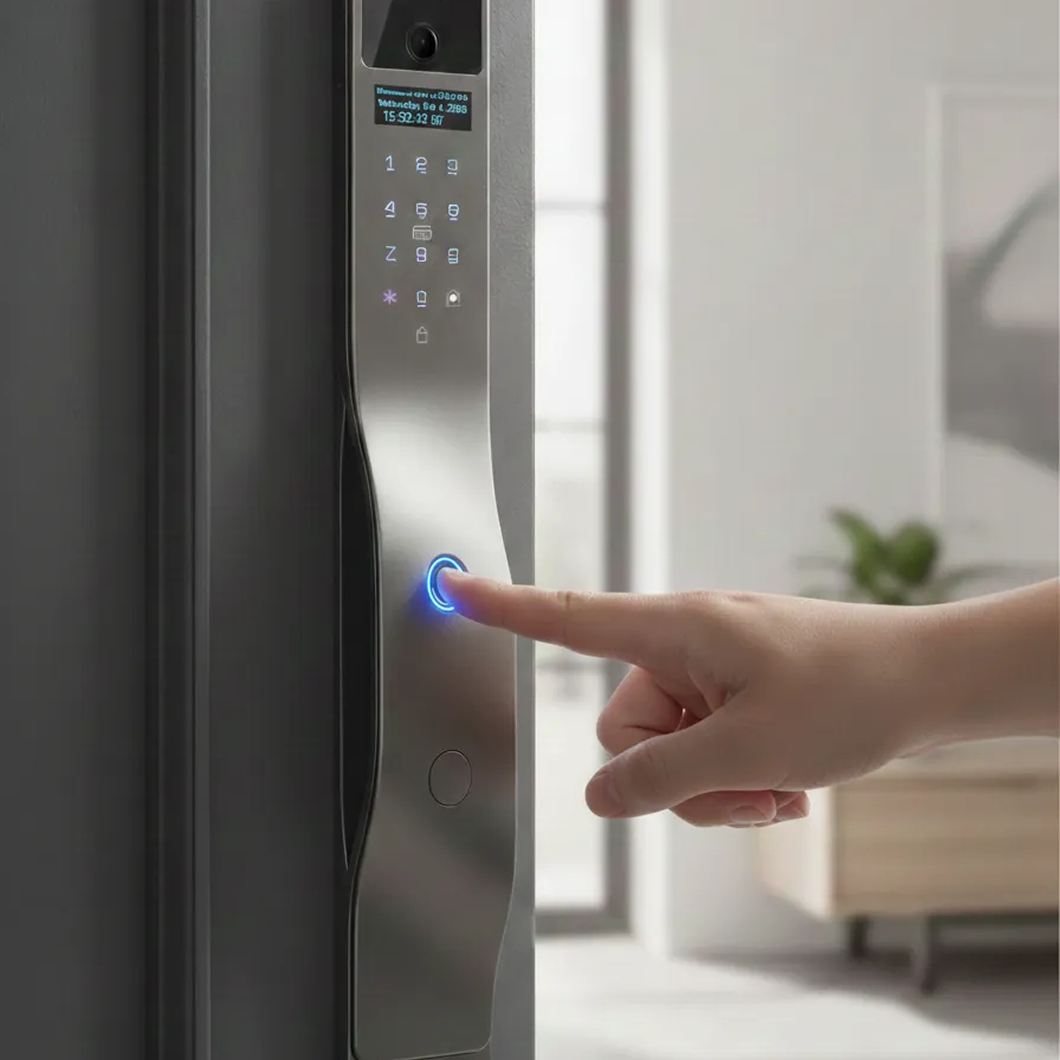


Home security has always been a top priority for homeowners. For decades, traditional door locks have been the standard method of protecting homes, offices and properties. However, with advancements in technology and the rise of smart home systems, smart door locks are becoming increasingly popular.
Many homeowners today are asking an important question: Should I choose a smart lock or a traditional lock for my home?
While traditional locks provide basic mechanical security, smart locks offer advanced features such as keyless entry, remote access and integration with smart home automation systems. These features make them an attractive option for modern homes and apartments.
In this guide, we will compare smart locks vs traditional locks, explore their differences, advantages and limitations and help you decide which option is better for your home security needs.
What is a Traditional Door Lock?
A traditional door lock is a mechanical locking system that uses a physical key to lock and unlock doors. These locks have been used for centuries and remain widely installed in homes, offices and commercial spaces.
Traditional locks operate through mechanical components such as pins, cylinders and tumblers that align when the correct key is inserted. Once the key turns the cylinder, the lock opens or closes.
Common Types of Traditional Locks
Some commonly used traditional locks include:
Deadbolt Locks
Deadbolts are one of the most secure mechanical locks and are widely used on main doors.
Knob Locks
These are often used for interior doors but offer lower security for main entrances.
Padlocks
Padlocks are portable locks commonly used for gates, storage units and lockers.
Advantages of Traditional Locks
-
Simple and easy to use
-
Affordable and widely available
-
No electricity or internet required
-
Easy installation
Limitations of Traditional Locks
Despite their simplicity, traditional locks have some limitations:
-
Keys can be lost or duplicated
-
No access tracking
-
No remote control features
-
Limited security against modern break-in techniques
These limitations have encouraged many homeowners to consider upgrading to smart locks.
What is a Smart Door Lock?
A smart door lock is an advanced electronic locking system that allows users to lock and unlock doors without using traditional keys. Instead, digital door locks use digital authentication methods such as PIN codes, fingerprint recognition, mobile apps or RFID cards.
Smart locks are designed to work with modern smart home systems and can often be controlled remotely using a smartphone.
How Smart Locks Work
Smart locks use digital technology and wireless connectivity to manage door access. When the correct authentication method is used, the lock automatically opens.
Common Unlocking Methods
Most smart locks support multiple unlocking options such as:
PIN Code Access
Users can unlock the smart lock by entering a secure PIN code on the keypad, providing quick, keyless access while maintaining strong security for homeowners.
Fingerprint Recognition
Biometric fingerprint sensors allow users to unlock the door instantly using their registered fingerprint, offering fast, secure and convenient access without needing keys or codes.
Mobile App Control
Smart locks can be controlled using a mobile app, allowing homeowners to lock or unlock doors remotely and monitor access from anywhere using their smartphone.
RFID Card Access
RFID cards allow users to unlock the door by simply tapping the card on the smart lock, providing a convenient and secure access method for family members or employees.
Backup Physical Key
Most smart locks include a backup physical key option, ensuring the door can still be unlocked manually during power failures, battery issues or emergency situations.
These advanced features make smart locks highly convenient and secure for modern homes.
Smart Lock vs Traditional Lock: Key Differences
Understanding the main differences between these two types of locks can help you choose the right option.
|
Feature |
Traditional Lock |
Smart Lock |
|
Security |
Basic mechanical security |
Advanced security technology |
|
Access Method |
Physical key |
PIN, fingerprint, app, RFID |
|
Remote Access |
Not available |
Available through mobile apps |
|
Activity Tracking |
No tracking |
Access history and logs |
|
Integration |
No smart home integration |
Compatible with smart home systems |
|
Key Loss Risk |
High risk if keys are lost |
Minimal due to digital access |
Traditional locks focus mainly on basic mechanical security, while smart locks provide both security and convenience through advanced technology.
Advantages of Smart Locks Over Traditional Locks
Smart locks offer several advantages that make them ideal for modern homes.
Keyless Convenience
With smart locks, you no longer need to carry physical keys. You can unlock your door using a PIN code, fingerprint or smartphone.
Remote Access Control
Smart locks allow homeowners to lock or unlock their doors remotely using a mobile app. This feature is especially useful when you need to provide access to family members or service providers while you are away.
Temporary Access for Guests
You can create temporary access codes for guests, house cleaners or delivery personnel. These codes can automatically expire after a certain time.
Access Activity Tracking
Many smart locks record access logs so you can see who entered or exited your home and at what time.
Smart Home Integration
Smart locks can integrate with other smart home devices such as smart lights, security cameras and voice assistants like Alexa or Google Assistant.
These features provide a higher level of convenience and control compared to traditional locks.
Situations Where Traditional Locks Still Work Well
Although smart locks offer many advantages, traditional locks can still be suitable in certain situations.
For example, traditional locks may be useful for:
-
Budget-friendly security solutions
-
Secondary doors or storage rooms
-
Rural locations with limited internet access
-
Temporary installations
Because traditional locks do not require electricity or connectivity, they can still be a practical option in some cases.
Which Lock is Better for Modern Homes?
For modern homes, apartments and smart living environments, smart locks are quickly becoming the preferred choice.
Homeowners today expect more convenience, better security and integration with other smart devices. Smart locks provide these benefits by offering advanced access control, remote management and activity tracking.
Smart locks are particularly ideal for:
-
Apartments and smart homes
-
Luxury villas and modern residences
-
Rental properties and Airbnb homes
-
Homes with home automation systems
As smart home technology continues to grow, smart locks are becoming an essential part of modern home security systems.
Conclusion
Both smart locks and traditional locks serve the purpose of securing homes, but they offer different levels of functionality.
Traditional locks are simple, affordable and reliable, but they lack the advanced features required for modern living.
Smart locks, on the other hand, provide enhanced security, keyless access, remote control and integration with smart home technology. These features make them a future-ready solution for homeowners who want better convenience and security.
If you are planning to upgrade your home security, investing in a smart door lock can be a smart and practical choice.
FAQ
Are smart locks safer than traditional locks?
Smart locks can be safer than traditional locks because they offer advanced security features such as encryption, access logs and multiple authentication methods like PIN codes and fingerprint recognition.
Do smart locks work without the internet?
Yes, most smart locks can function without the internet using PIN codes or fingerprints. However, remote control features require internet connectivity.
Can smart door locks be hacked?
Modern smart locks use strong encryption and security protocols to prevent hacking. Choosing a high-quality smart lock brand reduces security risks.
What happens if the smart lock battery dies?
Most smart locks provide low-battery alerts and include backup unlocking options such as physical keys or emergency power supply.
Are smart locks worth the investment?
Yes, smart locks are worth the investment for homeowners who want better convenience, improved security and integration with smart home systems.