

Smart home automation is rapidly transforming modern living in India. What was once considered a luxury is now becoming a standard feature in modern homes, premium apartments, and luxury villas.
Homeowners today want homes that are not only beautiful but also intelligent, secure, and energy efficient.
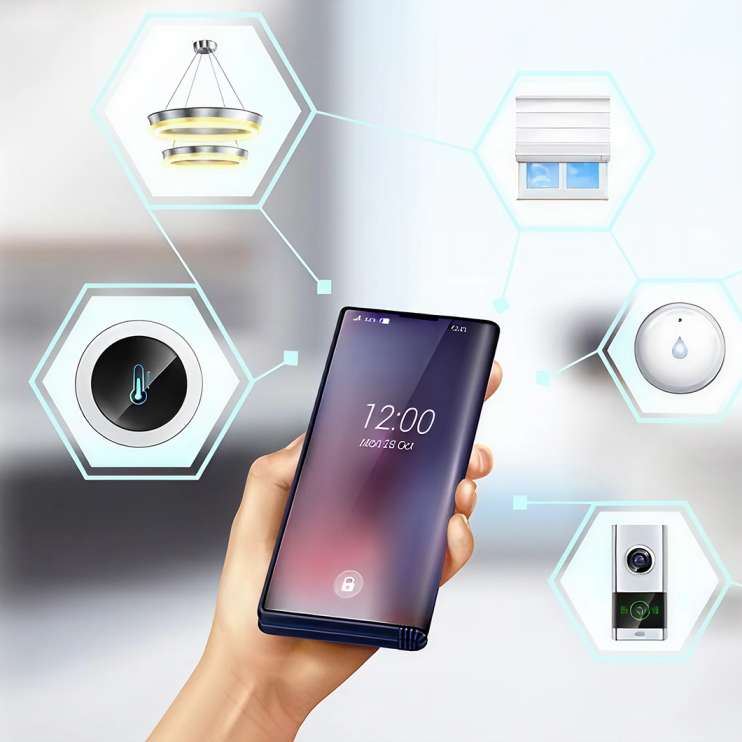
Smart home technology allows homeowners to control lighting, appliances, security systems, curtains, and other devices through mobile apps, automation schedules, or voice assistants.
However, one of the most common questions homeowners ask before installing automation is:
How much does smart home automation cost in India?
The answer depends on several factors such as:
• Size of the home
• Number of automation points
• Devices included in the system
• Reliability and technology of the automation platform
This guide provides a realistic and practical overview of smart home automation costs in India (2026) to help homeowners plan a future-ready smart home.
What is Smart Home Automation?
Smart home automation refers to a connected technology ecosystem that allows homeowners to control multiple devices through a central platform or mobile application.
These systems can also integrate with voice assistants such as:
• Amazon Alexa
• Google Assistant
This allows homeowners to control devices with simple voice commands like:
• Turn off the living room lights.
• Close the curtains.
• Activate movie mode.
Smart homes create an intelligent living environment where devices communicate and respond automatically.
Common Smart Home Automation Features
Modern smart homes typically include:
• Smart switches and lighting control
• Curtain and blind automation
• Smart locks and access control
• Video door phones
• Motion sensors and security integration
• Mobile app control
• Voice assistant integration
• Automation scenes such as night mode, party mode, or away mode
These technologies transform traditional houses into fully connected living spaces.
Key Factors That Influence Smart Home Automation Cost
The cost of smart home automation varies depending on several important factors.
1. Size of the Home
The size of your home directly impacts the overall automation cost, as larger spaces require more devices such as switches, sensors, lighting controls, and central controllers. Homes with more rooms or floors need additional automation points, increasing both installation complexity and total investment.
2. Number of Automation Points
Each connected device, such as smart lights, fans, sockets, air conditioners, or curtain motors, is considered an automation point. The total number of these points determines system complexity. More automation points require additional hardware and configuration, which directly increases the overall cost of the smart home setup.
3. Type of Automation System
Home automation systems can be either wired or wireless, with each having different cost implications. Wireless systems are increasingly preferred due to easier installation, minimal wiring changes, and flexibility for upgrades. Wired systems, while stable, often involve higher installation costs and longer setup time.
4. Brand and Technology Quality
The choice of brand and technology significantly affects pricing. Premium brands offer high-quality hardware, secure systems, stable mobile apps, and long-term software updates. These factors ensure better performance, reliability, and after-sales support, making them a worthwhile investment despite the higher initial cost.
Smart Home Automation Cost in India (2026)
Below are realistic market estimates for professionally installed smart home automation systems in India.
1 BHK Smart Home Cost
₹50,000 – ₹1,00,000
A 1 BHK smart home setup is ideal for small apartments or first-time users. It typically includes smart switches for essential lighting, mobile app control, basic automation scenes, and voice assistant integration. This setup offers a cost-effective entry into smart home automation with essential features.
2 BHK Smart Home Cost
₹1,00,000 – ₹2,00,000:
For a 2 BHK home, automation expands to cover multiple rooms with smart switches, lighting control, and scheduling features. Users can manage daily routines through mobile apps and voice assistants. This setup balances affordability and functionality, making it suitable for modern families seeking convenience and efficiency.
3 BHK Smart Home Cost
₹2,00,000 – ₹4,00,000
A 3 BHK smart home system offers more advanced automation with complete lighting control, curtain automation, motion sensors, and integrated security features. Voice assistant compatibility and customized automation scenes enhance comfort and convenience, making it ideal for homeowners looking for a more connected and intelligent living experience.
Villa or Bungalow Smart Home Cost
₹4,00,000 – ₹10,00,000+
Luxury homes such as villas or bungalows require comprehensive automation systems covering lighting, security, smart locks, and multi-room control. These setups include advanced customization, centralized control, and high-end integrations. Large luxury villas with extensive automation features can exceed ₹15–20 lakh depending on complexity.
Large luxury villas with extensive integrations can even exceed ₹15–20 lakh.
Typical Cost of Premium Smart Home Devices in India
Below are average price ranges for reliable premium smart home devices available in the Indian market.
|
Device |
Premium Price Range |
|
Smart Switch |
₹2,500 – ₹5,000 per point |
|
Smart Curtain Motor |
₹18,000 – ₹45,000 |
|
Smart Lock |
₹25,000 – ₹90,000 |
|
Motion Sensor |
₹3,500 – ₹12,000 |
|
Video Door Phone |
₹18,000 – ₹75,000 |
These prices represent professionally installed automation systems, not entry-level DIY devices available online.
What is an Automation Point?
Smart home automation pricing is typically calculated based on automation points. An automation point refers to any device that can be controlled through the system, such as lights, fans, sockets, appliances, curtains, or outdoor lighting. This method provides a clear understanding of system complexity and helps homeowners estimate overall automation costs more accurately.
Real Example: Smart Home Cost for a 3 BHK
A typical 3 BHK apartment may include around 60–80 automation points.
Example configuration:
|
Device |
Approx Quantity |
|
Lights (including appliance) |
60 |
|
Fans |
6 |
|
Other Controls |
4 |
Total automation points: 70 points
If the automation system costs approximately ₹3,000 per point, the base automation cost becomes:
70 × ₹3,000 = ₹2,10,000
After adding premium devices such as:
• curtain motors
• motion sensors
• smart locks
• video door phones
The final investment typically becomes:
₹2,50,000 – ₹3,50,000 for a fully automated 3BHK home.
Wired vs Wireless Smart Home Automation
Smart home automation systems can use wired or wireless communication technologies.
Earlier automation systems relied heavily on wired communication infrastructure.
However, with modern technological advancements, wireless smart home automation has become the preferred choice for most homes today — including luxury villas and premium residential projects.
Why Wireless Smart Home Automation is More Popular
Wireless automation systems offer several advantages.
Faster Installation
Wireless smart home automation systems do not require extensive wiring, making installation quicker and less disruptive. This reduces labor costs and allows homeowners to upgrade their homes without major structural changes or delays.
Modern Communication Protocols
Wireless systems use advanced technologies like BLE Mesh, Zigbee, Z-Wave, and RF protocols to ensure stable and reliable communication. These technologies enable seamless connectivity between devices across the home for efficient automation performance.
Easy Expansion
Wireless automation systems are highly scalable, allowing homeowners to easily add devices such as smart locks, curtain motors, sensors, or lighting controls. This flexibility makes it simple to upgrade and expand the system as needs evolve.
Hidden Costs of Smart Home Automation
When planning a smart home, homeowners should consider additional factors beyond device pricing.
Installation and Programming
Professional installation ensures proper device configuration, seamless system integration, and optimized automation scenes, helping the entire smart home system perform reliably without technical issues.
Network Infrastructure
A strong and stable Wi-Fi network is essential for smooth smart home performance, ensuring all devices communicate efficiently without lag, disconnections, or control delays.
Additional Devices
Many homeowners expand their system over time by adding security sensors, smart locks, curtain automation, and cameras, increasing overall functionality and total investment gradually.
Growing Demand for Smart Homes in India
The demand for smart homes in India is increasing rapidly as homeowners adopt connected technologies for enhanced convenience, improved security, energy efficiency, and modern living experiences. Additionally, builders and real estate developers are integrating smart-ready infrastructure into new residential projects to meet evolving customer expectations and market trends.
At Y5Home, we deliver reliable, elegant, and future-ready smart home ecosystems that seamlessly integrate smart switches, lighting, curtain automation, security devices, and voice assistant compatibility into one unified platform for effortless control and convenience.
Our solutions feature premium switch designs, stable automation technology, mobile app access, and scalable systems for future upgrades, making them ideal for both new homes and renovations. Y5Home helps you create intelligent, comfortable, and modern living spaces.
Conclusion
Smart home automation is no longer limited to luxury properties but is becoming essential for modern living. The overall cost depends on home size, number of automation points, system quality, and included devices. Investing in a reliable solution ensures long-term convenience, enhanced security, and future-ready smart living.
Frequently Asked Questions
What is the average cost of smart home automation in India?
Basic smart home automation systems can start around ₹50,000, while premium full-home automation systems can range between ₹2,00,000 and ₹10,00,000+.
Can smart home automation be installed in existing homes?
Yes. Modern wireless smart home automation systems allow installation in existing homes without major rewiring.
Are smart homes expensive to maintain?
Most reliable smart home systems require minimal maintenance, with updates delivered through software upgrades.
Do smart homes increase property value?
Yes. Smart home features are increasingly attractive to buyers and can increase the resale value of a property.